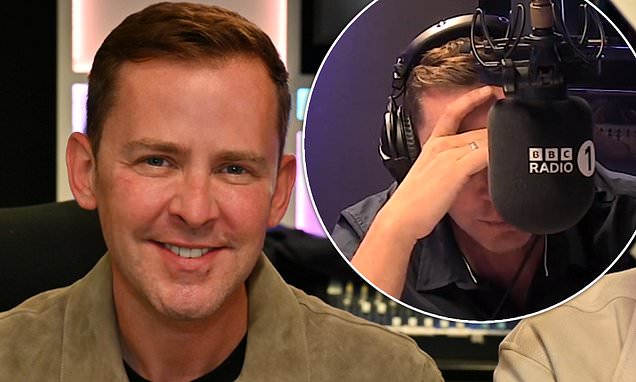
The sudden departure of veteran BBC Radio 2 presenter Scott Mills has sent ripples through the broadcasting world, bringing with it a torrent of media scrutiny and serious questions for the Corporation. Following reports detailing Scott Mills' sacking amid serious conduct allegations, it has emerged that the BBC was reportedly aware of concerns regarding the presenter's conduct for approximately a year before his contract was terminated. This revelation casts a shadow over the BBC's internal procedures and its handling of sensitive information.
Mills, a familiar voice to millions, was abruptly taken off air on a Monday, just six days after what proved to be his final breakfast show. The BBC subsequently confirmed his exit, stating, "While we do not comment on matters relating to individuals, we can confirm Scott Mills is no longer contracted to work with the BBC." However, reports from the Daily Mirror and Daily Mail quickly linked his departure to an older police investigation into serious sexual offence allegations against a teenage boy between 1997 and 2000. This case, it is important to note, was dropped around seven years ago due to a lack of evidence.
The Unfolding Story: Scott Mills' Departure and Allegations
Scott Mills' exit from the BBC marks a dramatic turn for one of the UK's most beloved radio personalities. For nearly two decades, he captivated audiences on BBC Radio 1 before transitioning to the coveted BBC Radio 2 Breakfast Show. His abrupt removal from the airwaves and subsequent contract termination left colleagues and listeners alike "completely blindsided," as reported by a Radio 2 source.
The core of the unfolding narrative revolves around Scott Mills allegations. According to the Daily Mirror, which first broke the news of his sacking, Mills' termination followed an allegation related to his personal conduct. Further reporting by the Daily Mail linked this decision to a 2016 police investigation concerning 'serious sexual offences' against a boy who was reportedly under 16 years of age at the time of the alleged incidents, occurring between 1997 and 2000. It is crucial to reiterate that this police investigation concluded approximately seven years ago with no further action taken due to insufficient evidence. The re-emergence of these historic allegations in the public domain has undoubtedly played a significant role in the BBC's swift action, highlighting the complex interplay between past inquiries and present employment decisions, particularly concerning public figures and safeguarding.
The BBC's Prior Knowledge and Missed Opportunities
Perhaps the most challenging aspect of this story for the BBC is the admission that it had prior knowledge of concerns surrounding Mills' conduct. According to reports, including those in The Telegraph and Daily Mail, the broadcaster was contacted by former presenter Anna Brees. Ms. Brees, who worked for the BBC between 2003 and 2011, reportedly reached out to the Corporation in May of the previous year (approximately a year prior to these recent events), sharing details of allegations she had received from a credible source. These allegations, she noted, did not necessarily relate to the same alleged victim from the 2018 police questioning.
Ms. Brees specifically inquired whether the BBC had ever been "aware of or involved in any related matters" concerning Mills, or if it had received any "formal or informal complaints" about him "relating to safeguarding, inappropriate conduct or harassment." She also asked if the BBC had ever investigated its star DJ's behaviour. Her claims indicate that she received no response from the BBC to these vital questions. The Corporation has since issued an apology, acknowledging, "We received a press query in [the previous year] which included details of allegations. This should have been followed up and we should have asked further questions. We apologise for this and will look into why this did not happen." This admission raises serious questions about the BBC's internal communication and safeguarding protocols, suggesting a potential breakdown in the system designed to address such sensitive information. For a deeper dive into these specific failings, readers may find BBC Under Fire: Scott Mills Allegations & Ignored Warnings insightful.
Navigating Allegations in the Public Eye: The Media's Role and Organizational Responsibility
The case of Scott Mills underscores the immense pressure faced by public figures when allegations, even historic ones, surface. The media plays a critical role in bringing such stories to light, acting as a fourth estate to hold powerful individuals and institutions accountable. However, this also presents significant challenges:
- Balancing Privacy and Public Interest: Media outlets must navigate the delicate balance between an individual's right to privacy and the public's right to know, especially when it involves issues of public trust and safeguarding within publicly funded bodies.
- Due Process vs. Public Opinion: While a police investigation concluded without charges, the court of public opinion, fueled by media reporting, often operates differently. Organizations like the BBC must consider their reputation, the impact on their audience, and their ethical responsibilities beyond purely legal outcomes.
- Impact on Careers: For a high-profile personality like Mills, who earned a significant salary (nearly £360,000 in the previous year), the mere surfacing of allegations can have immediate and devastating career consequences, regardless of legal findings.
Organizations employing public figures bear a substantial responsibility to maintain robust internal processes for addressing allegations. The BBC's acknowledgment of a missed opportunity to follow up on concerns highlights how critical these internal mechanisms are, not just for the individuals involved, but for the organization's credibility and public trust.
Safeguarding and Accountability in Broadcasting
The situation surrounding Scott Mills' departure is a stark reminder of the paramount importance of safeguarding and accountability within broadcasting organizations. The BBC, like any major institution, has a duty of care to its employees, its audience, and those who come into contact with its talent. When allegations, especially those of a serious nature, arise, the response must be swift, thorough, and transparent.
Key aspects of robust safeguarding policies include:
- Clear Reporting Channels: Individuals must know exactly how and where to report concerns, whether formally or informally, without fear of reprisal.
- Prompt Investigation: All allegations, regardless of their source or perceived credibility, should be investigated promptly and impartially by trained professionals.
- Support Systems: Support should be available for both complainants and those accused, ensuring fair treatment and access to resources.
- Transparency and Communication: While respecting privacy, organizations should strive for appropriate transparency in their processes and communicate effectively about their commitment to safeguarding. The BBC's statement, "More broadly, we would always urge anyone who has concerns or information to raise it with us," reinforces this principle, but the execution of these principles is key.
The current events serve as a critical learning moment for the BBC and the wider industry, emphasizing that ignoring warnings or failing to follow up on credible concerns can have profound consequences, not only for individuals but for the institution's integrity. For a broader overview of the events leading to his departure, consider reading Radio 2's Scott Mills Sacked Amid Serious Conduct Allegations.
The Future for BBC Radio 2 and Broader Implications
In the immediate aftermath of Scott Mills' exit, Gary Davies has stepped in to host the BBC Radio 2 Breakfast Show. The BBC faces the challenge of maintaining audience loyalty and continuity in a key slot. Lorna Clarke, BBC music boss, described the decision as "sudden and unexpected," acknowledging the shock to both staff and loyal listeners. The focus will now shift to who will permanently replace Mills and how the BBC will manage the narrative surrounding this high-profile departure.
Beyond Radio 2, the incident has broader implications for the broadcasting industry. It reinforces the ongoing scrutiny of public figures and the institutions that employ them, particularly concerning historic allegations and the handling of complaints. It serves as a powerful reminder that organizations must have robust, responsive, and accountable systems in place to address serious allegations and uphold the trust placed in them by the public. The unfolding story of Scott Mills' exit will undoubtedly continue to shape discussions around safeguarding, media responsibility, and the ethical conduct expected of those in the public eye.