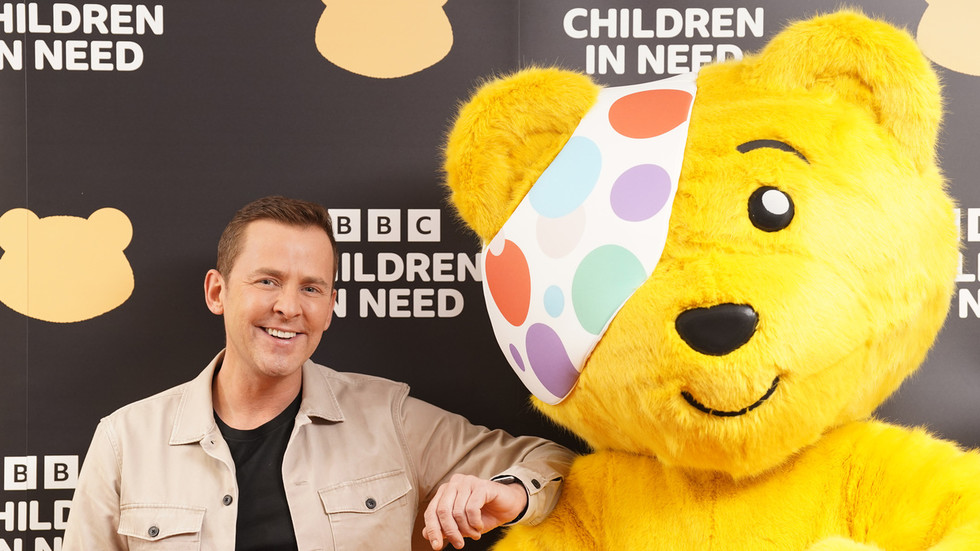
The broadcasting world has been gripped by recent developments surrounding prominent Radio 2 DJ, Scott Mills. Once a familiar voice on national airwaves for decades, Mills's sudden departure from the BBC has thrust the corporation into the spotlight, facing intense scrutiny over how it handled serious allegations concerning his conduct. The situation has raised significant questions about safeguarding procedures, internal communication, and the responsibility of public institutions when faced with sensitive claims.
The controversy escalated with the BBC's admission that it had been aware of allegations against Scott Mills for "almost a year" prior to his dismissal. This revelation has fueled public debate, particularly as it emerged alongside claims that early warnings and information shared by a former presenter were allegedly not adequately addressed.
The Allegations Against Scott Mills: A Timeline of Concern
The swift termination of Scott Mills's contract, just six days after he was taken off air following what proved to be his final breakfast show, sent shockwaves through the BBC and its loyal listenership. Initial reports quickly linked his exit to serious allegations of misconduct. The Daily Mirror was among the first to report that Mills's sacking was connected to a 2016 police investigation.
This investigation reportedly centered on claims of "serious sexual offences" against a teenage boy. The alleged incidents were said to have occurred between 1997 and 2000, at which time the boy was under 16 years of age, as revealed by the Daily Mail. The case, however, was subsequently dropped approximately seven years ago due to a stated lack of evidence. While the police investigation concluded without charges, the re-emergence of these allegations in the public domain has brought renewed focus on the historical claims and the BBC's institutional response to the unfolding Scott Mills allegations.
Ignored Warnings: Anna Brees's Outreach to the BBC
Adding another layer of complexity to the unfolding drama is the account of former BBC presenter and freelance journalist, Anna Brees. According to reports, Brees reportedly contacted the BBC in May 2025 with information regarding alleged "inappropriate communications" involving Mills. It's important to note that these allegations were not necessarily linked to the same alleged victim from the 2018 police questioning, suggesting a broader pattern of concern.
Ms. Brees, who presented news programmes for the broadcaster between 2003 and 2011, detailed her concerns to the Corporation. She specifically inquired whether the BBC had ever been aware of or involved in any related matters, or if it had received any "formal or informal complaints" about Mills concerning safeguarding, inappropriate conduct, or harassment. Furthermore, she asked if the Corporation had ever investigated its star DJ's behaviour. Ms. Brees claims she received no response from the BBC to her critical queries.
In a subsequent admission, the BBC acknowledged its failure to act on this information. A spokesperson stated on Tuesday: "We received a press query in 2025 which included [details of Ms Brees's contact]. This should have been followed up and we should have asked further questions. We apologise for this and will look into why this did not happen." This admission highlights a significant lapse in the BBC's internal communication and safeguarding protocols, raising concerns about missed opportunities to address serious matters earlier. Ms. Brees commented: "It was a credible source and I was concerned so I decided to contact the BBC to make them aware of it and see if they came back with anything. I didn't get a response."
The BBC's Response and Scott Mills's Abrupt Departure
Despite the BBC's admission of having knowledge of allegations for "almost a year," Scott Mills's official departure from the corporation was described as sudden and unexpected by many. An email from BBC music boss Lorna Clarke to staff expressed this sentiment, acknowledging it would "come as a shock to our audience and loyal breakfast show listeners too." A Radio 2 source further underlined this, stating they had been "completely blindsided" by the news.
The BBC's official statement on the matter remained concise: "While we do not comment on matters relating to individuals, we can confirm Scott Mills is no longer contracted to work with the BBC." This standard corporate response, while legally prudent, offers little in the way of public explanation or reassurance regarding the circumstances leading to the departure of one of its highest-profile and highest-paid presenters. Mills, who took over the coveted BBC Radio 2 Breakfast Show just last year after nearly two decades presenting on Radio 1, earned close to £360,000 annually. The sudden cessation of such a significant contract underscores the gravity of the underlying issues related to the Scott Mills allegations.
Broader Implications: Safeguarding, Trust, and Accountability
The unfolding events surrounding the Scott Mills allegations and the BBC's response carry profound implications beyond the immediate individuals involved. For any major public broadcaster, particularly one with a mission to inform and serve, the paramount importance of safeguarding cannot be overstated. When allegations, especially those involving vulnerable individuals, come to light, robust and transparent mechanisms for reporting, investigating, and acting upon them are crucial.
The BBC's admission that Anna Brees's concerns "should have been followed up" points to a potential systemic failure. Organizations are not just legally obliged to adhere to safeguarding principles; they also have an ethical responsibility to foster an environment where individuals feel safe to raise concerns and where those concerns are taken seriously and acted upon promptly. Ignoring or failing to respond to credible information can erode public trust, not only in the individuals involved but in the institution itself.
Practical steps organizations can take to prevent similar situations include:
- Strengthening Whistleblower Policies: Ensuring clear, confidential, and accessible channels for reporting misconduct without fear of reprisal.
- Regular Safeguarding Training: For all staff, especially those in positions of authority or with public-facing roles, to understand their responsibilities and how to respond to concerns.
- Independent Review Processes: Implementing independent oversight for serious allegations to ensure impartiality, thoroughness, and a fair resolution.
- Timely and Transparent Communication: While respecting privacy and legal constraints, finding ways to communicate effectively about serious incidents can help maintain public confidence and demonstrate accountability.
- Culture of Accountability: Fostering an internal culture where accountability is prioritised at all levels, from individual employees to senior management, ensuring that concerns are never dismissed.
The Scott Mills situation serves as a stark reminder that even well-established institutions are not immune to such challenges and must continuously review and reinforce their safeguarding frameworks to protect both individuals and their own integrity.
Conclusion
The abrupt departure of Scott Mills from the BBC, following serious allegations and the broadcaster's admission of prior knowledge and missed opportunities to act, marks a significant moment for the corporation. The allegations themselves, historical in nature but recently re-surfacing, underscore the enduring impact of such claims. More critically, the BBC's confessed failure to follow up on warnings from a former presenter raises serious questions about its internal protocols and commitment to safeguarding. As the BBC undertakes a review into why these warnings were not heeded, the wider implications for public trust, corporate accountability, and the essential role of robust safeguarding mechanisms will undoubtedly continue to be scrutinised.