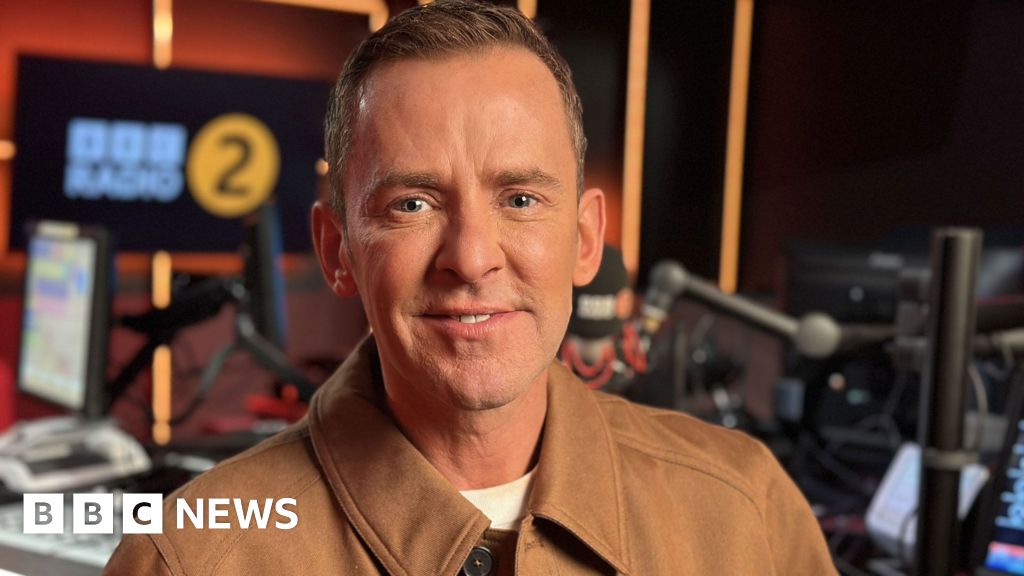
The Shocking Exit: Scott Mills Sacked Amid Serious Conduct Allegations
The broadcasting world was rocked by the sudden departure of veteran DJ Scott Mills from BBC Radio 2, just over a year after he took the helm of the popular breakfast show. The BBC confirmed the presenter, a familiar voice across its airwaves for decades, was no longer contracted to work with the corporation following what have been described as serious conduct allegations. This abrupt exit has cast a long shadow, prompting widespread discussion and placing the BBC under intense scrutiny regarding its internal processes and transparency.
Mills, 53, had enjoyed a celebrated career at the BBC, transitioning from his long-running show on Radio 1 to the coveted Radio 2 breakfast slot. His unexpected removal from air last week, swiftly followed by the termination of his contract, left both colleagues and listeners "completely blindsided," according to internal sources. The unfolding details surrounding the Scott Mills allegations have since shed light on the gravity of the situation, revealing a complex timeline of events and questions about the BBC's prior knowledge.
Unveiling the Scott Mills Allegations: A Timeline of Concerns
The decision to part ways with Scott Mills has been directly linked to a series of serious conduct allegations, some of which date back decades. Reports from the Daily Mirror and Daily Mail have detailed a 2016 police investigation into "serious sexual offences" against a teenage boy, alleged to have occurred between 1997 and 2000. The boy in question was reportedly under 16 years of age at the time of the alleged incidents. While this police investigation was ultimately dropped around seven years ago due to a lack of evidence, the allegations have resurfaced with significant force, precipitating Mills's exit.
Beyond the historical claims, further reports from The Telegraph indicate that the BBC was also alerted to alleged "inappropriate communications" involving Mills by a former presenter. Freelance journalist Anna Brees, who previously worked for the broadcaster between 2003 and 2011, reportedly contacted the Corporation in May of a preceding year, relaying details of allegations received from a credible source. These claims, not necessarily linked to the same alleged victim from the 2016 investigation, prompted Ms Brees to inquire whether the BBC had any prior awareness or involvement in related matters, or if any formal or informal complaints regarding safeguarding, inappropriate conduct, or harassment had been lodged against Mills. She also asked if the BBC had ever investigated his behaviour.
The convergence of these long-standing claims and more recent concerns has created a critical juncture for both Scott Mills and the BBC, demanding a thorough examination of how such serious matters are handled within major public institutions.
The BBC's Response: Scrutiny, Apology, and Accountability
Following the revelations, the BBC has faced a barrage of criticism and intense scrutiny over its handling of the Scott Mills allegations. A key point of contention has been the admission by the broadcaster that it was aware of concerns relating to Mills almost a year before his sacking. This admission raises serious questions about the BBC's internal safeguarding procedures and its responsiveness to potential misconduct.
Specifically, the BBC confirmed that the query from Anna Brees, which outlined serious allegations and explicitly asked about the BBC's knowledge and investigations, was not adequately followed up. A BBC spokesperson stated: "We received a press query in May [of a preceding year] which included information... This should have been followed up and we should have asked further questions. We apologise for this and will look into why this did not happen." This acknowledgement of a failure in internal processes highlights a critical lapse, particularly given the sensitive nature of the allegations.
For a public broadcaster, trust and accountability are paramount. The perceived delay in addressing these allegations, coupled with the admission of a missed opportunity to investigate earlier, has led to calls for greater transparency and a comprehensive review of the BBC's safeguarding mechanisms. Organisations, especially those working with or for the public, have a fundamental duty of care to both their employees and the public they serve. This includes robust systems for reporting concerns, thorough investigation protocols, and a commitment to acting decisively when serious allegations surface. The BBC's current predicament underscores the vital importance of these responsibilities.
Implications for the BBC and the Future of Broadcasting Ethics
The abrupt departure of a high-profile figure like Scott Mills due to serious conduct allegations carries significant implications, not only for his personal career but also for the BBC and the wider media industry. For the BBC, it represents another challenge to its public image and institutional integrity, coming after other incidents that have tested public trust.
The sudden vacuum on the Radio 2 breakfast show has seen Gary Davies stepping in, interviewing notable figures and preparing to host new podcasts. While the show will continue, the manner of Mills's exit will undoubtedly linger in the minds of listeners and staff. It serves as a stark reminder of the immense responsibility that comes with public platforms and the need for broadcasters to uphold the highest ethical standards.
Lessons for Media Organisations:
- Robust Safeguarding Policies: Every media entity must have clear, accessible, and rigorously enforced safeguarding policies to protect vulnerable individuals and ensure a safe working environment.
- Prompt Investigation: Allegations of serious misconduct must be investigated swiftly and thoroughly, with due process for all parties involved, and without fear or favour. Delays can erode trust and potentially endanger individuals.
- Whistleblower Protection: Create an environment where individuals feel safe and confident to come forward with concerns without fear of reprisal. Anna Brees's experience highlights the importance of truly listening to and acting upon external alerts.
- Transparency and Accountability: While respecting individual privacy and legal processes, organisations should strive for transparency in their handling of serious issues. Public accountability is crucial for maintaining trust.
- Cultural Change: Foster a culture where inappropriate behaviour is not tolerated, and where reporting mechanisms are effective and respected at all levels of the organisation.
The Scott Mills allegations have brought to the forefront the critical balance between individual reputation and institutional responsibility. It reinforces the idea that no individual, regardless of their celebrity status, is above the ethical standards expected of a public broadcaster.
Conclusion
Scott Mills's departure from BBC Radio 2, spurred by serious conduct allegations, marks a watershed moment for the broadcaster. While the specific details of the historical allegations remain complex, the BBC's admission of failing to act on earlier warnings underscores a significant institutional challenge. This situation serves as a powerful reminder of the profound importance of robust safeguarding, transparent internal processes, and unwavering accountability within public institutions. As the BBC navigates the fallout, the focus will undoubtedly remain on how it addresses these systemic issues to restore public confidence and uphold the ethical standards expected of one of the world's most prominent broadcasters.